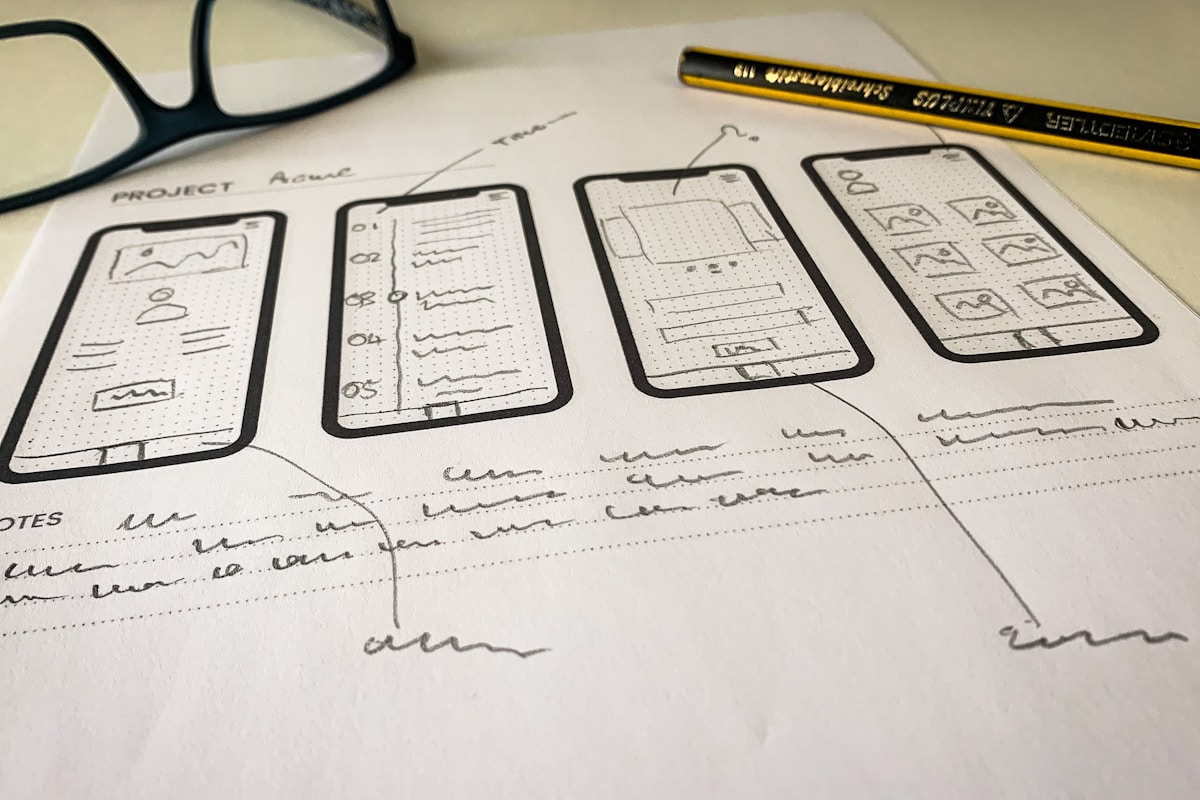
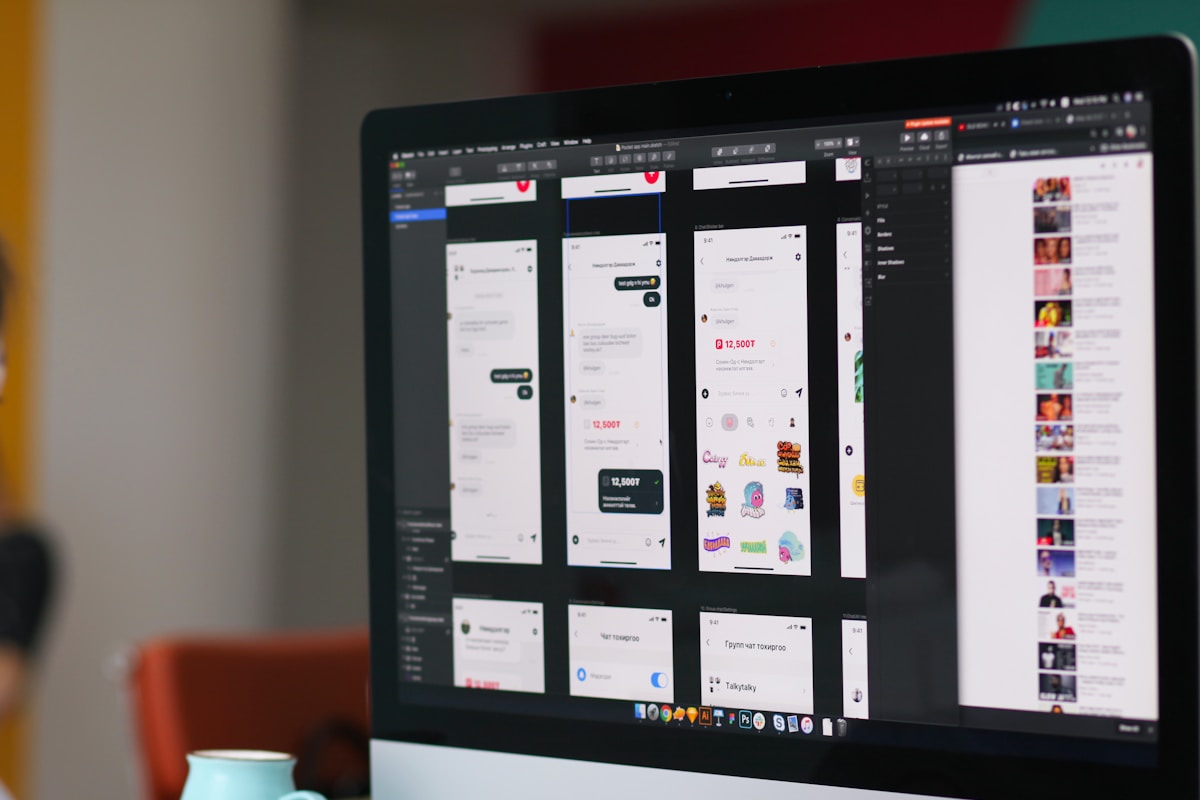
User-Friendly Websites: A Must-Have
In today’s digital landscape, having a user-friendly website is not just an option; it is a necessity. A well-designed website can significantly enhance user experience, boost engagement, and ultimately lead to higher conversion rates. At MSM Coretech Innovations, we understand the importance of intuitive designs that captivate and retain visitors. Let’s explore why user-friendly websites are essential and how they can impact your online presence.
What is a User-Friendly Website?
A user-friendly website is one that is easy to navigate, visually appealing, and provides a seamless experience for visitors. Key characteristics of a user-friendly website include:
- Intuitive Navigation: Users should be able to find what they are looking for without confusion.
- Responsive Design: Websites must function well on various devices, including desktops, tablets, and smartphones.
- Fast Loading Times: Slow websites can frustrate users and lead to high bounce rates.
- Clear Call-to-Actions (CTAs): CTAs should be easily identifiable and guide users on what to do next.
- Accessible Content: Content should be easy to read and understand, with appropriate use of fonts and colors.
Why User-Friendly Websites Matter
1. Improved User Experience
User experience (UX) is pivotal in determining how visitors interact with your website. A positive UX can lead to:
- Increased time spent on the site
- Higher return visits
- Enhanced customer satisfaction
When users can easily navigate your site, they are more likely to explore your offerings and engage with your content. This exploration can foster trust and loyalty, which are essential for long-term success.
2. Enhanced SEO Performance
Search engines like Google prioritize websites that offer a good user experience. Factors that contribute to SEO performance include:
- Page load speed
- Mobile-friendliness
- Low bounce rates
- High engagement metrics (e.g., time on site, pages per session)
A user-friendly website can lead to better rankings in search engine results, making it easier for potential customers to find you.
3. Increased Conversion Rates
Ultimately, the goal of any website is to convert visitors into customers. A user-friendly design can significantly impact conversion rates by:
- Reducing friction in the purchasing process
- Encouraging users to take action (e.g., sign up for newsletters, make purchases)
- Providing clear information that addresses user needs and concerns
By making it easy for users to navigate and complete desired actions, you can effectively boost your conversion rates.
Key Elements of User-Friendly Design
1. Simplified Navigation
Navigation should be straightforward and logical. Consider the following tips:
- Use clear and concise labels for menu items.
- Include a search bar for larger websites.
- Limit the number of menu items to avoid overwhelming users.
2. Visual Hierarchy
Effective use of visual hierarchy can guide users’ attention to key areas of your site. Utilize:
- Headings and subheadings to break up content.
- Contrast in colors to highlight important elements.
- White space to create a clean and organized layout.
3. Mobile Optimization
With the increasing use of mobile devices, ensuring your website is mobile-friendly is crucial. Key considerations include:
- Responsive design that adapts to different screen sizes.
- Touch-friendly buttons and links that are easy to tap.
- Fast loading speeds on mobile networks.
Best Practices for Creating User-Friendly Websites
1. Conduct User Testing
User testing allows you to gather feedback directly from your audience. Consider:
- Conducting usability tests to identify pain points.
- Gathering feedback through surveys or interviews.
- Using analytics to track user behavior on your site.
2. Regularly Update Content
Keeping your content fresh and relevant can enhance user engagement. Make it a practice to:
- Update blog posts and articles regularly.
- Refresh images and graphics to maintain visual appeal.
- Ensure all links are functional and lead to relevant content.
3. Prioritize Accessibility
Making your website accessible to all users, including those with disabilities, is essential. Implement accessibility best practices such as:
- Using alt text for images.
- Ensuring color contrast is sufficient for readability.
- Providing keyboard navigation options.
Conclusion
In an increasingly competitive online environment, user-friendly websites are essential for retaining visitors and driving conversions. By focusing on intuitive design, clear navigation, and engaging content, MSM Coretech Innovations aims to create websites that not only attract visitors but also provide them with an enjoyable browsing experience. Investing in a user-friendly website is investing in the future success of your business.